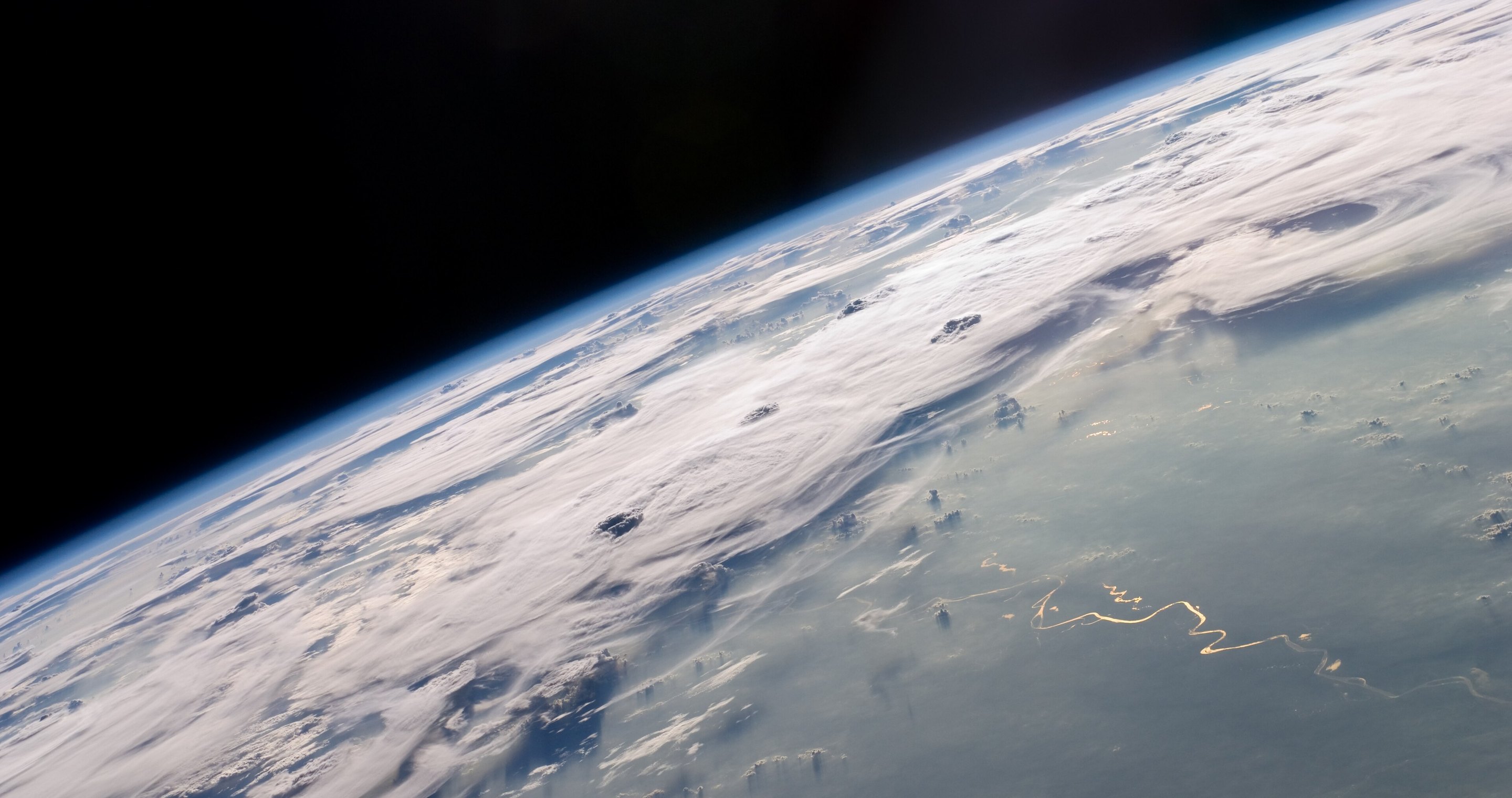
Earth's horizon over thunderstorms in Brazil, seen from the International Space Station (NASA)
Network

One network, from orbit to your device.

WISeSat combines a constellation in low Earth orbit, its own ground stations and hardware-based post-quantum security into a single, sovereign network.

Earth photo: NASA
01 · Our satellites

From picosatellites to larger platforms.

We started small, proving our technology in orbit with picosatellites. Each generation, built with FOSSA Systems, brings more power and more room for secure connectivity.

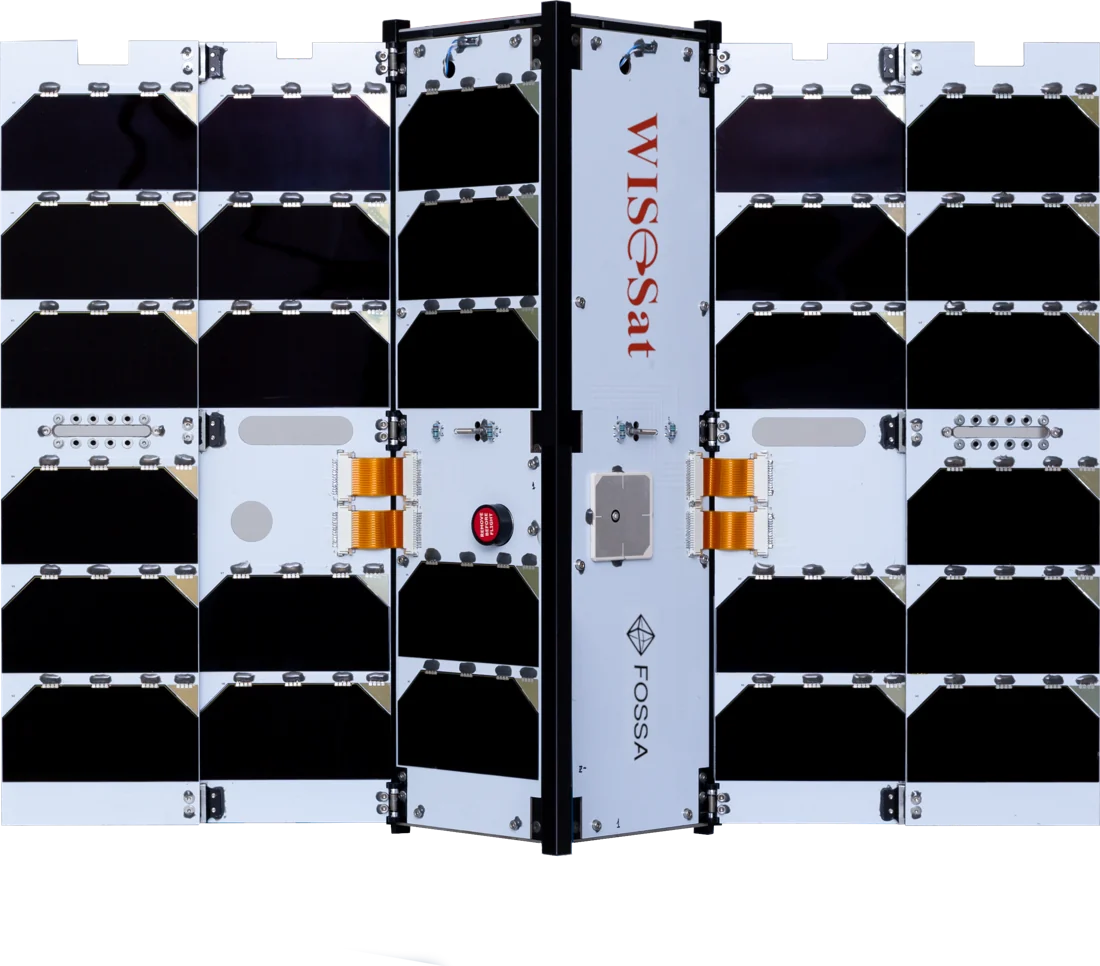
WISeSat-2E picosatellite
Generation 1 · 2022WISeSat-2EPocketQube picosatellite. Where we proved our technology in orbit.

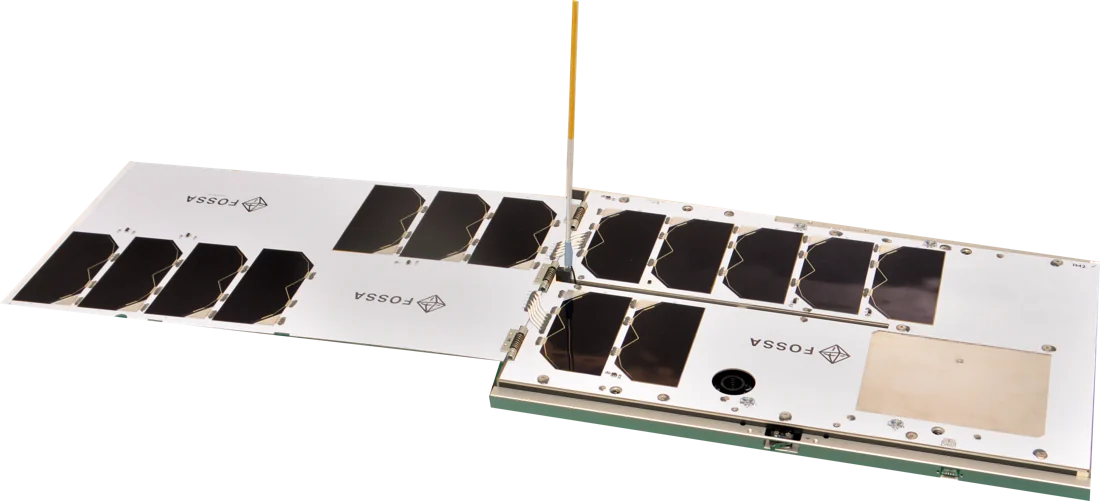
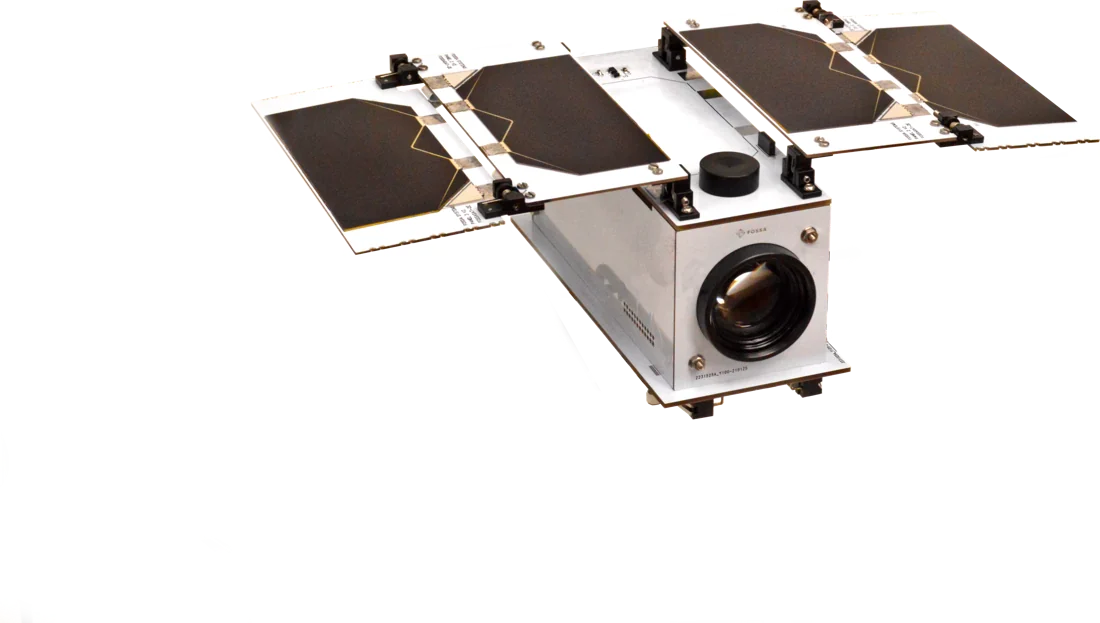
FEROX satellite platform
Generation 2 · 2023FEROXFlat platform with deployable solar wings and more power.
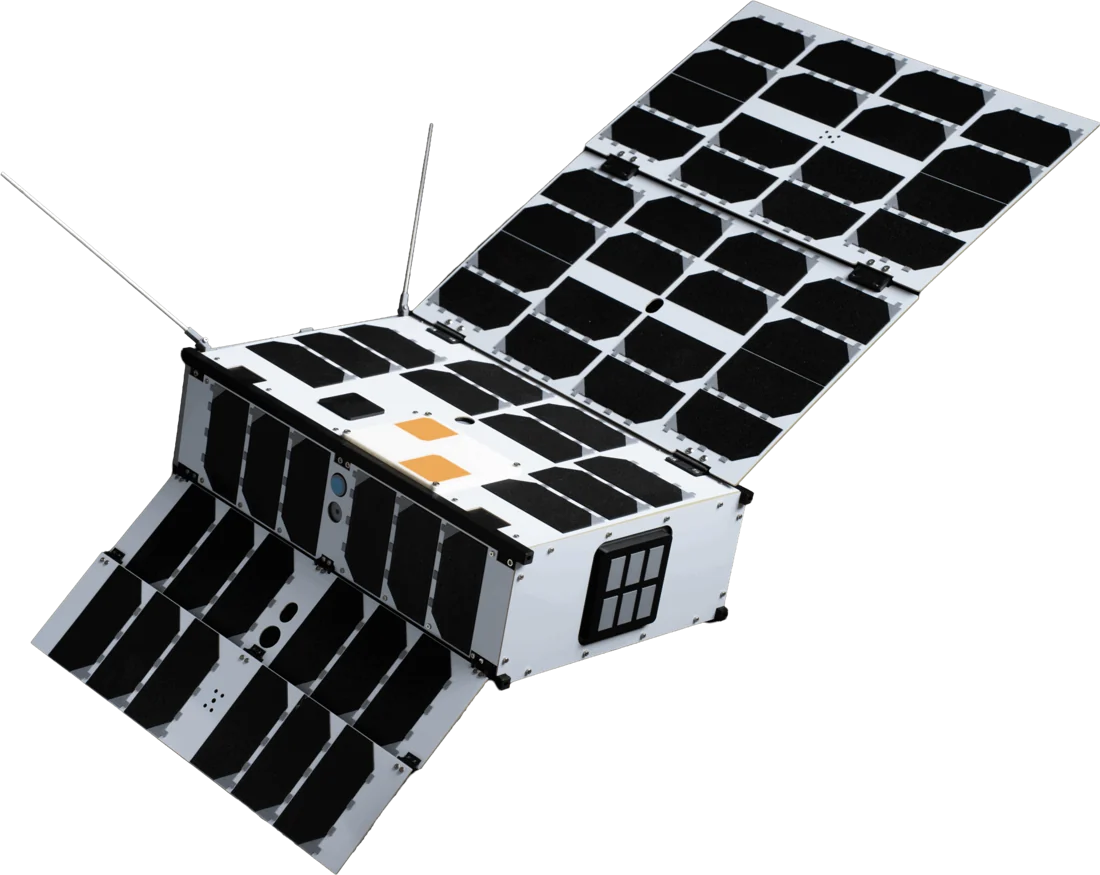
WISeSat 3.0, a 3U satellite with deployed solar panels
Generation 3 · 2025WISeSat 3.0
3U6 kg30 W peakUHF and S-band
WISeSat 4.0, a 6U satellite with deployable solar arrays
Generation 4 · UpcomingWISeSat 4.0
6U12 kg60 W peakUHF, S and X-bandElectric propulsion
Specifications: FOSSA SystemsGrowing size and capability
02 · Ground network

Our own ground stations, in Europe.

Every pass of our satellites is tracked and commanded from stations we operate ourselves, with data delivered from Swiss mission control.
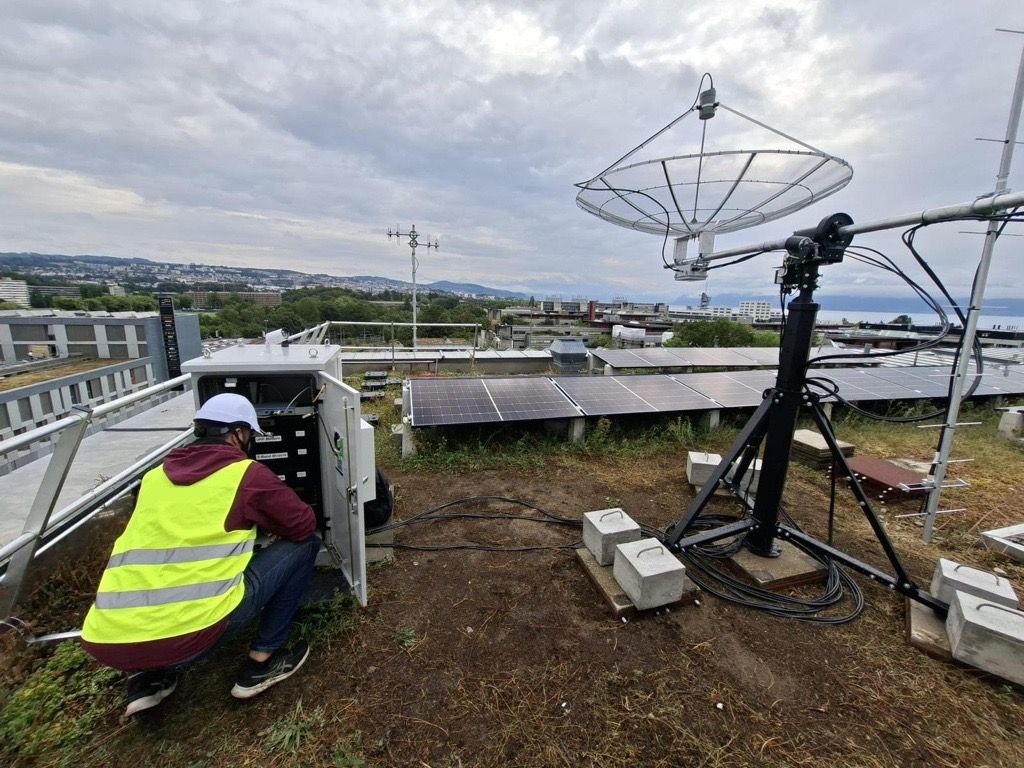
WISeSat ground station antenna at EPFL, Lausanne
Operational

Lausanne

EPFL campus, SwitzerlandPrimary station. Fleet command, tracking and data collection.
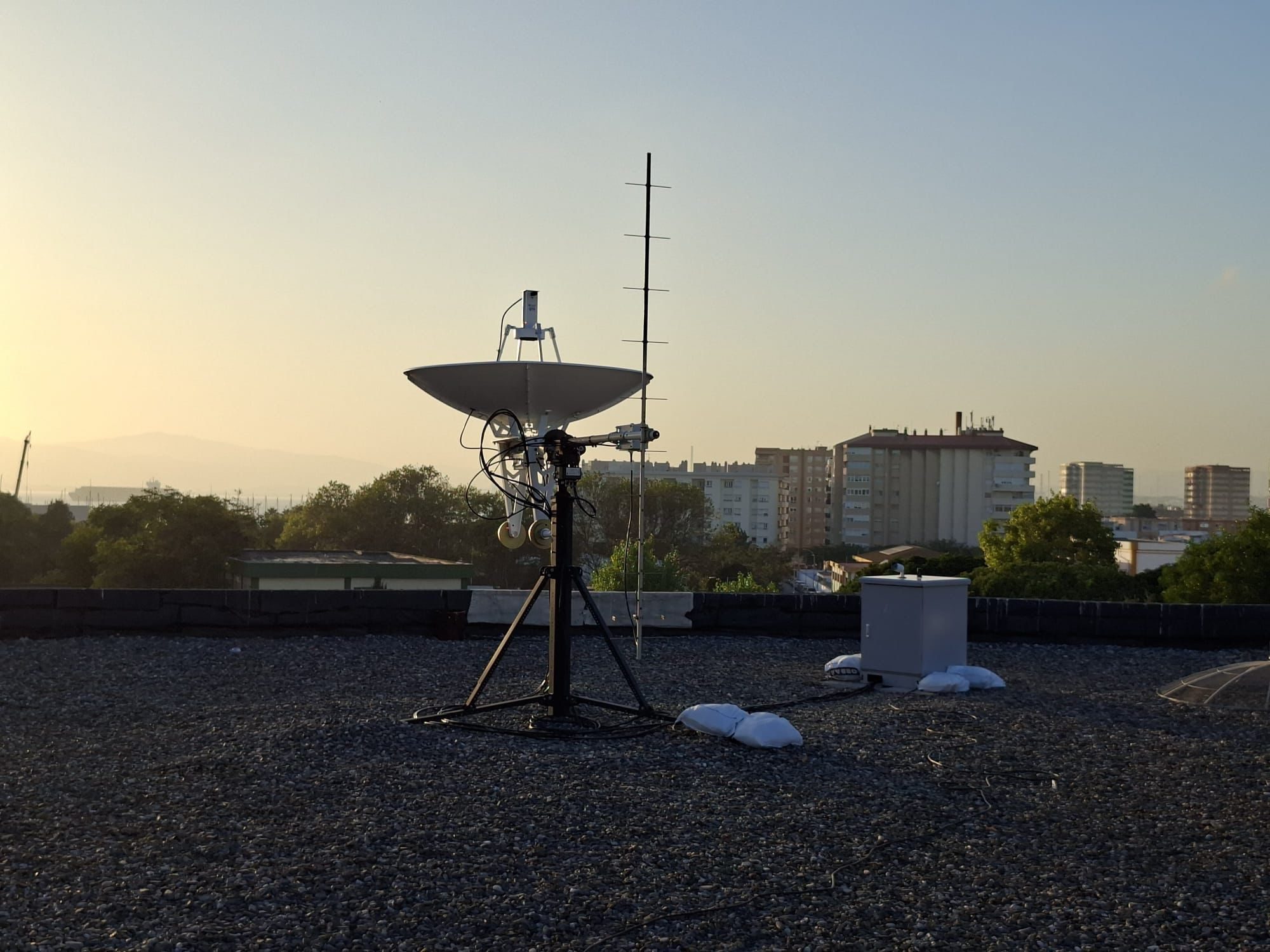
WISeSat ground station antenna at sunset in La Línea, Spain
Operational

La Línea

Near Gibraltar, SpainSouthern node. More daily contact windows over the Mediterranean.
Planned

Next station

Our ground network keeps growing. Interested in hosting a WISeSat station?Talk to us →

Ready to connect your devices?

Tell us about your mission and our team will show you how the WISeSat network fits it.